Beyond 'Hard Problems': Practical Cache Invalidation Strategies
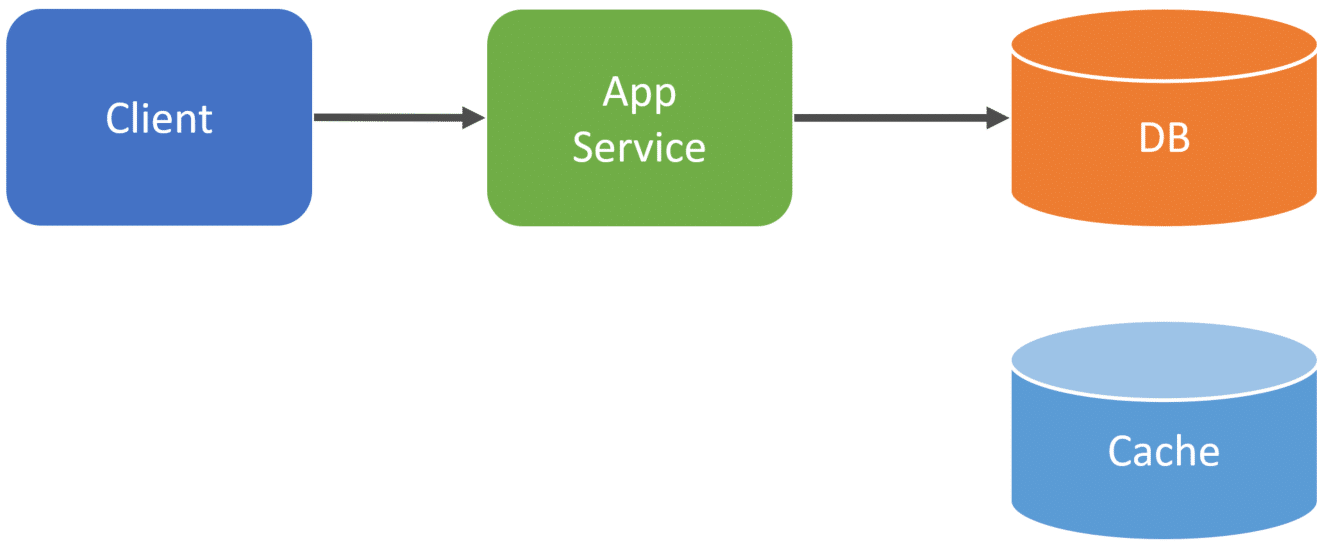
There are only two hard things in computer science: cache invalidation and naming things.” This famous quote by Phil Karlton rings true for anyone who's battled stale data or inconsistent application states.
Caching is a powerful tool for boosting performance and scalability, but its benefits quickly vanish if your cache delivers outdated or incorrect information. Effective cache invalidation isn't just a technical detail; it's crucial for application reliability and user trust.
Why Caching Matters (and Why Invalidation is Hard)
Caching offers significant advantages, including reduced database load, faster response times, and improved user experience. By storing frequently accessed data closer to the application or user, you can bypass costly operations like database queries or complex computations.
However, the moment cached data diverges from the true source of information (your database, an external API, etc.), you have a problem. Ensuring the cache accurately reflects this source of truth as data changes is the crux of cache invalidation. Fail to do it well, and users see old data, critical transactions fail, and debugging becomes a nightmare of inconsistent states.
Strategy 1: Time-To-Live (TTL) / Expiration
The simplest and often first approach to cache invalidation is setting a Time-To-Live (TTL) or expiration on each cache entry. After a specified duration, the cache item is automatically considered stale and will be re-fetched from the origin the next time it's requested.
Pros:
- Simplicity: Extremely easy to implement, often a single parameter in your cache
SEToperation. - Guaranteed Eventual Consistency: Data will eventually be refreshed, even if your application's invalidation logic fails.
- Low Overhead: Reduces the need for complex invalidation logic in your application code.
Cons:
- Staleness Window: Data can be stale for the entire duration of the TTL. If a critical piece of information changes right after being cached, users might see outdated data until the TTL expires.
- Thundering Herd: If many cache entries expire at roughly the same time, or if a popular item's TTL expires, a sudden surge of requests can hit your origin server (e.g., database), potentially overwhelming it.
When to Use: This strategy is suitable for data that can tolerate some staleness, changes infrequently, or is not mission-critical (e.g., blog post listings, product catalog pages that update daily, social media feeds). Always prefer short TTLs if possible.
Here’s a Python example using Redis with SETEX (set with expiration):
import redis

r = redis.

Redis(decode_responses=True)

def get_news_feed(user_id):
    cache_key = f"news_feed:{user_id}"
    feed = r.get(cache_key)
    if feed:
        print("Fetched from cache.")
        return feed

    # Simulate fetching from database
    print("Fetching from database...")
    feed = f"News for user {user_id}: Latest headlines..."

    # Cache for 60 seconds
    r.setex(cache_key, 60, feed)
    return feed

# First call hits DB, subsequent calls hit cache for 60s
print(get_news_feed(123))
print(get_news_feed(123))
Strategy 2: Cache-Aside with Invalidation on Write
This is arguably the most common and robust strategy for application-level caching, especially with systems like Redis or Memcached. The application code explicitly manages the cache, deciding when to read from it and when to invalidate it.
How it works:
- Read Operations: The application first checks if the data exists in the cache. If it does (a
✦ React to this post