OpenRA: Reimagining Classic RTS for Modern Developers
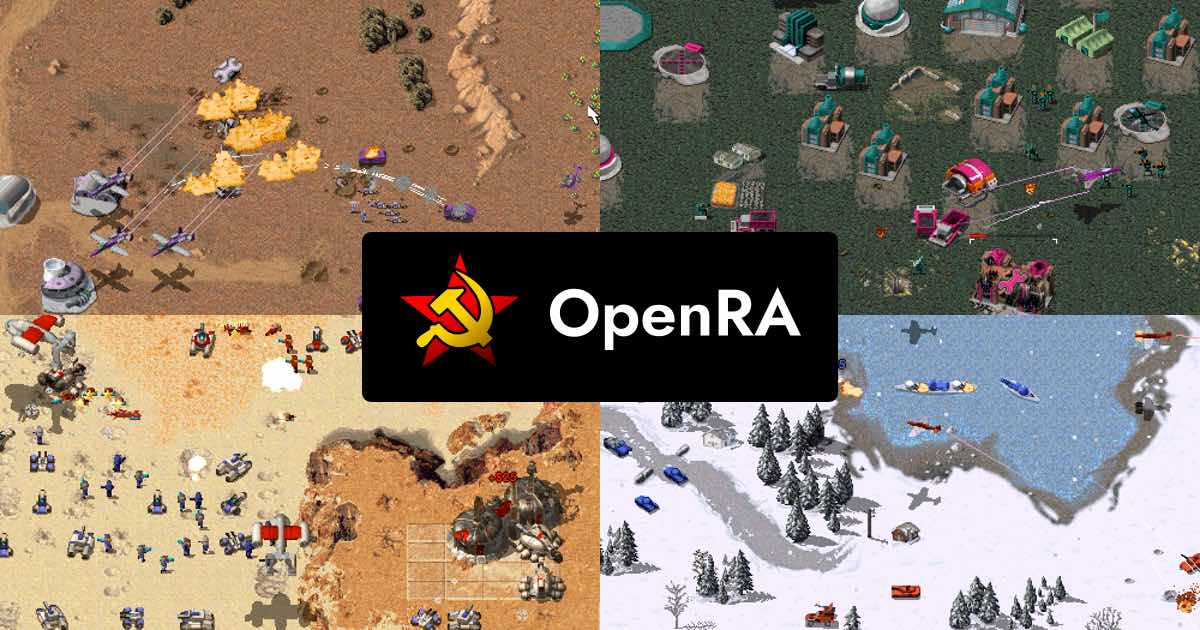
Today, the name "OpenRA" is lighting up Hacker News, reminding us that some of the greatest engineering challenges and triumphs come from reimagining the past for the future. It’s a testament to the enduring power of open source and community-driven development.
What is OpenRA?
OpenRA is much more than just a game; it's an open-source engine that meticulously recreates and modernizes classic Real-Time Strategy (RTS) games like Command & Conquer, Red Alert, and Dune 2000. It's not an emulator or a simple port, but a ground-up re-implementation designed to run natively on modern operating systems (Windows, macOS, Linux) with a host of enhancements. The project, found at https://www.openra.net/, breathes new life into titles that defined a generation of gaming.
This isn't just about nostalgia. OpenRA aims to improve upon the originals by adding features like spectator modes, replay functionality, integrated modding support, and robust online multiplayer, all while preserving the core gameplay that made these titles beloved. It solves common compatibility issues that plague old games on new hardware, making these foundational RTS experiences accessible once more.
Why This Matters to Developers
For developers, OpenRA offers a unique and invaluable resource. At its core, it's a large, active, and well-maintained codebase that showcases the complexities of game engine development. Diving into OpenRA's source provides insights into several critical areas of software engineering:
1. Game Architecture and Design Patterns: Understanding how a real-time strategy game handles its core loop – from unit movement and AI decision-making to resource management and combat mechanics – is a masterclass in software architecture. Developers can study how OpenRA manages game states, events, and rendering efficiently, offering concrete examples of patterns like the Entity-Component-System (ECS) or Observer pattern in a dynamic environment.
2. Network Programming: Multiplayer RTS games demand extremely precise and performant network synchronization. OpenRA tackles challenges like latency compensation, deterministic simulation, and handling dropped connections. For anyone interested in building distributed systems or online applications, dissecting OpenRA's networking layer can provide practical lessons often missed in theoretical discussions.
3. Cross-Platform Development: The project's success across Windows, macOS, and Linux demonstrates effective strategies for platform abstraction and managing OS-specific nuances. This is a crucial skill for any developer aiming to build applications with a broad reach.
4. Open Source Collaboration and Maintenance: OpenRA is a shining example of a long-running open-source project. Its continuous evolution showcases effective community management, contribution guidelines, testing methodologies, and how a distributed team can maintain a complex application over years. This provides a blueprint for contributing to or even initiating similar community-driven efforts.
Who Benefits from OpenRA?
While the immediate beneficiaries are undoubtedly retro gaming enthusiasts who can once again enjoy their favorite RTS titles, the project's impact extends far wider:
Aspiring Game Developers: Those looking to get into game development, especially in genres like RTS, can use OpenRA as an educational tool. It provides a full, working game engine to explore, modify, and learn from, far more comprehensive than typical tutorial projects.
General Software Engineers: Beyond game development, the principles of efficient code, robust networking, and scalable architecture found in OpenRA are universally applicable. It's an excellent way to see advanced programming concepts applied in a real-world, high-performance context.
Open-Source Contributors: OpenRA has an active community and welcomes contributions, from bug fixes and new features to documentation and modding. It's a great entry point for developers looking to gain experience contributing to a significant open-source project.
Getting Involved: A Practical Takeaway
Whether you want to relive classic battles or delve into the codebase, getting started with OpenRA is straightforward. For players, simply download the latest client from the official website. For developers, the real fun begins by exploring the source code.
You can clone the repository and start digging in. The project is primarily written in C# and uses the .NET framework, making it accessible to a wide range of developers. Here’s how you might start cloning and preparing the project locally:
git clone https://github.com/OpenRA/OpenRA.git
cd OpenRA

# On Windows, using PowerShell:
./make.ps1

# On Linux/macOS, using Bash:
./make.sh
This will fetch the source and attempt to build the project. From there, you can open it in your preferred IDE (like Visual Studio or VS Code with C# extensions) and begin exploring. Look for areas that interest you – perhaps the AI logic for a specific unit, the rendering pipeline, or how multiplayer commands are serialized and deserialized. Experimenting with small changes and observing their impact is an excellent way to learn.
Conclusion
OpenRA stands as a powerful reminder of how community effort can preserve digital heritage and simultaneously push the boundaries of modern software. It’s more than just a game engine; it’s a living, breathing testament to complex systems design, robust engineering, and the collaborative spirit of open source. Take a moment to explore it, whether as a player or a developer – you might just learn something new.
✦ React to this post